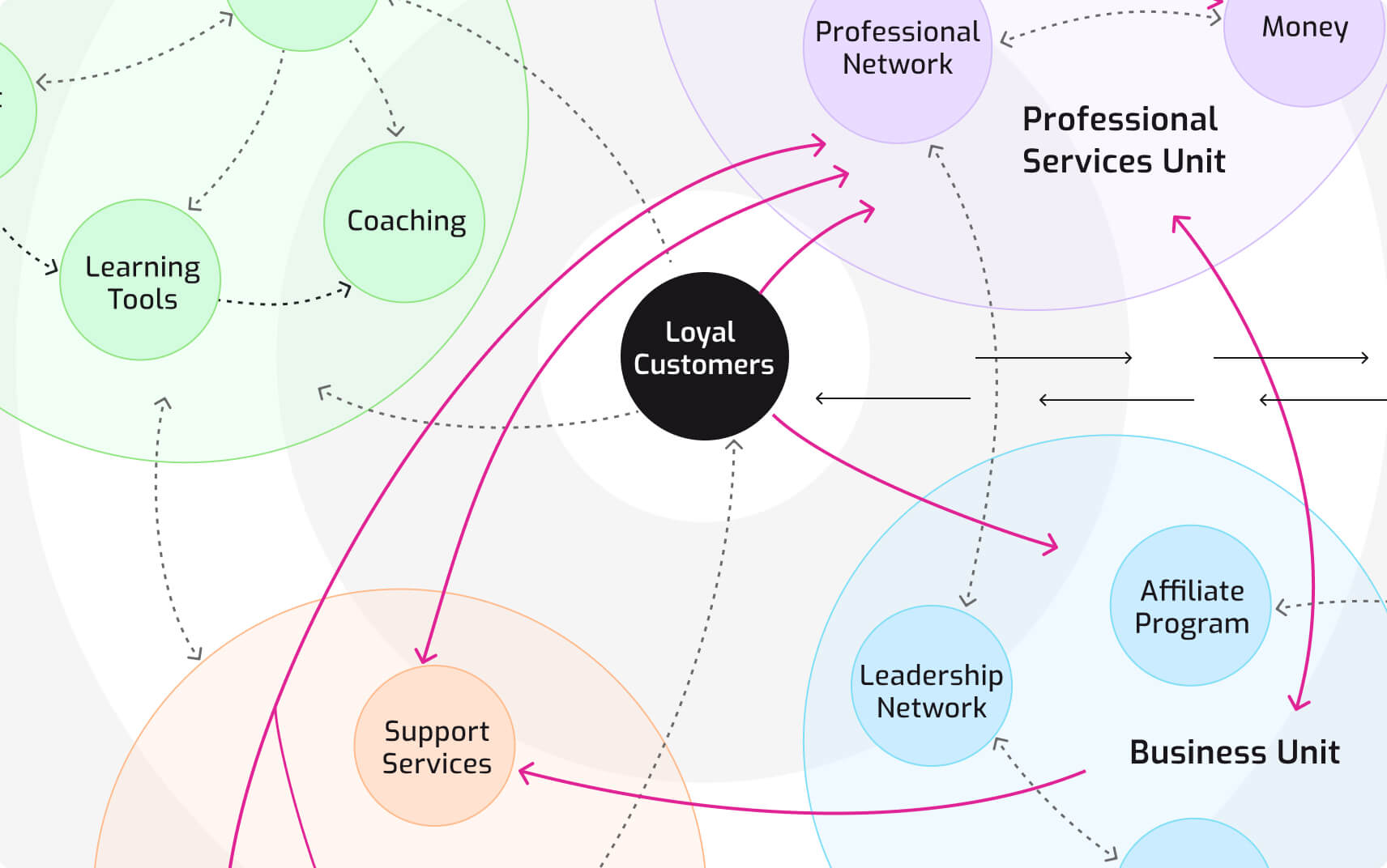
Original business frame
What the business set out to do
- Create a new monetized model
- Drive customer engagement
- Increase interactions between providers and customers
Marketplace Product Design
I designed a marketplace experience that helped people discover, evaluate, and connect with trusted service providers.
The work focused on the moments that build confidence—from comparing experience and credentials to knowing what would happen after making contact.
The Context
WealthGuide connects people with local providers for financial and life decisions. At the time, customers submitted a request form and received one to three provider recommendations.
This project explored a new model that allowed customers to compare providers directly and choose based on their own preferences.
The Challenge
The proposed marketplace gave customers more control, but it also made trust more important. People needed to compare providers, understand their credibility, and feel confident choosing a professional.
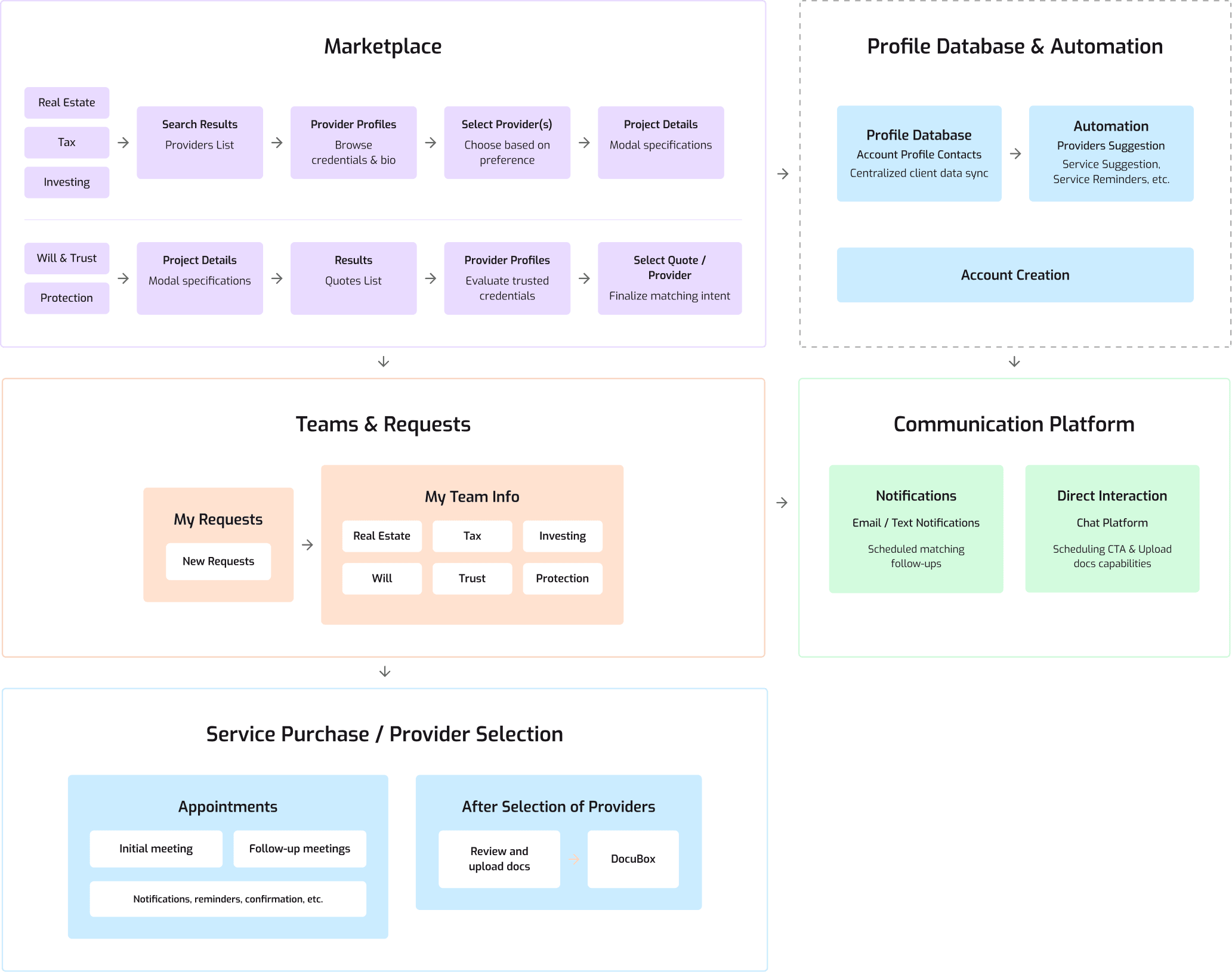
The experience also needed to support the full journey, from discovery and evaluation to account creation and follow-up. Customers needed to feel confident at every step.
Original business frame
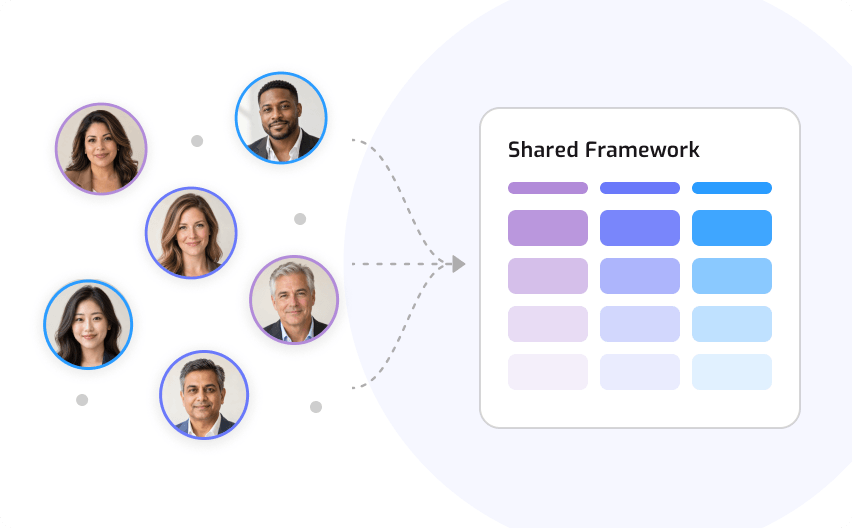
Deeper user problem
Product Vision
The long-term vision was to turn WealthGuide from a one-time provider-matching experience into an ongoing relationship platform.
Customers could compare providers, choose trusted professionals, access relevant resources, and return as new financial or life needs emerged across real estate, tax, insurance, and other services.
Understanding Trust
My team and I explored the information people needed to trust and select a provider. We tested several concepts and features with potential customers to understand what shaped their decisions.
Key Observation
Features focused on trust consistently performed better than features focused on convenience.
Key insights — what people wanted
Testing Trust Signals
One key question emerged during research: how should new providers be presented when they had not yet received ratings? We conducted additional testing to understand how people evaluated providers without reviews.
Customers were willing to consider unrated professionals when other trust signals were available—experience, credentials, specializations, and professional background. This finding shaped how providers were presented in the marketplace.
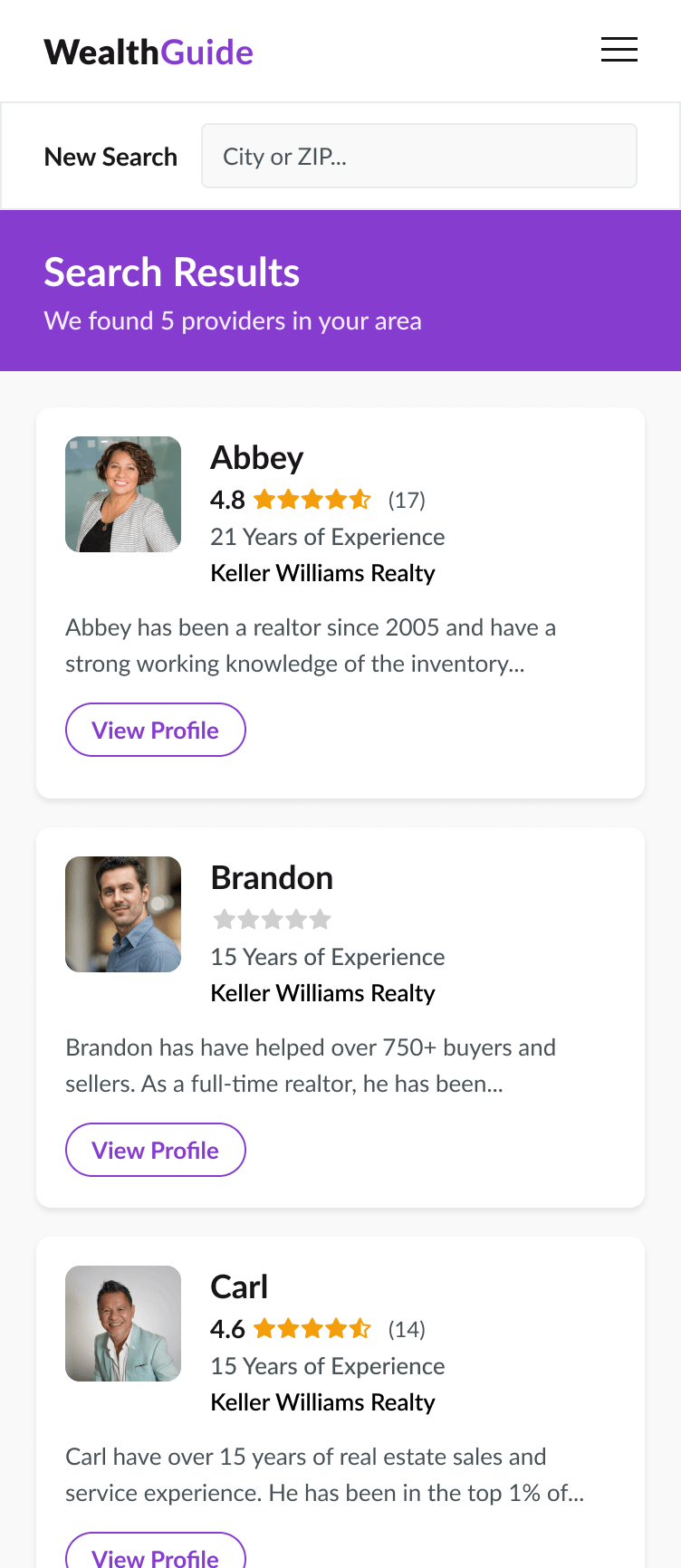
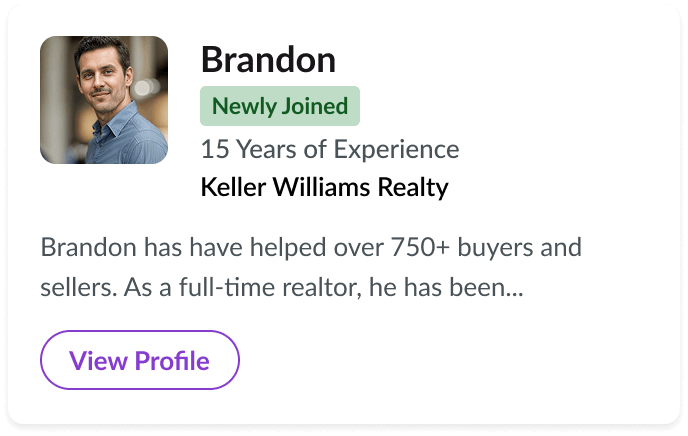
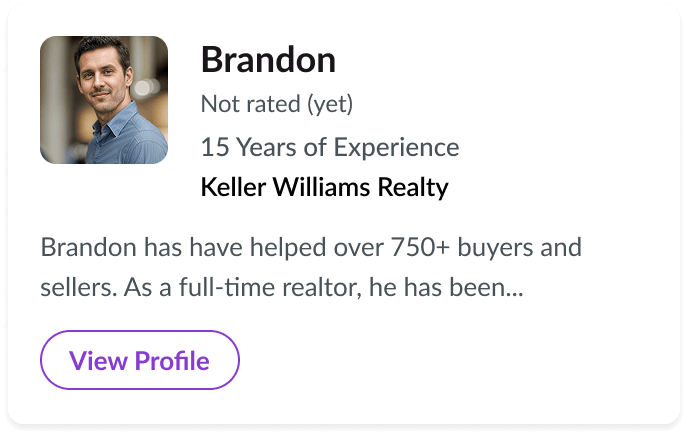
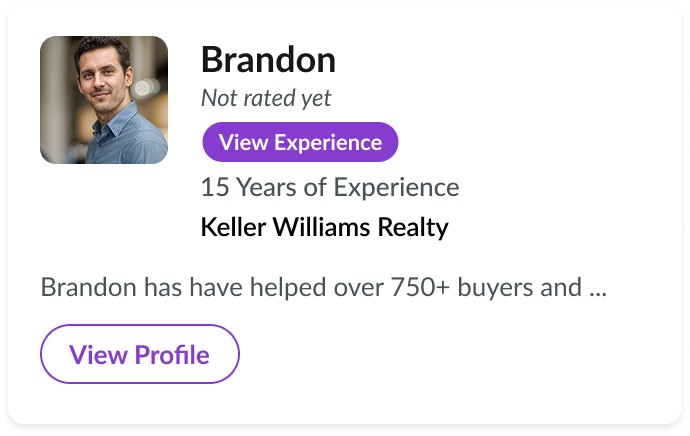
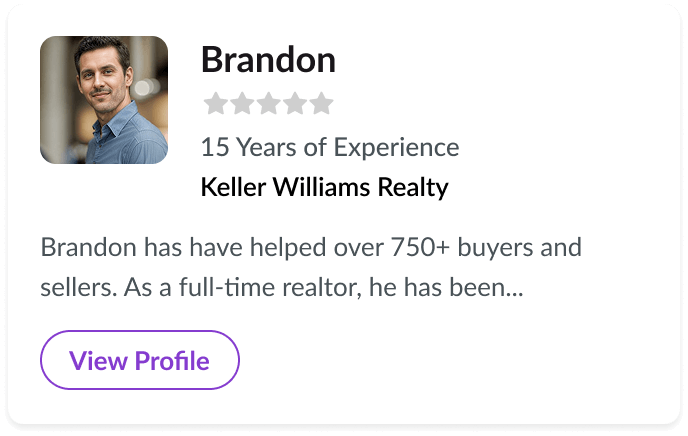
Four Treatments Tested
Test result
We asked if users would consider a provider without a star rating
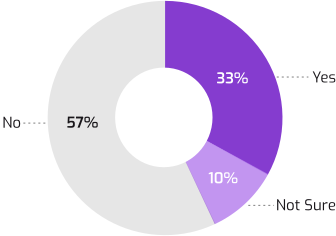
Years of experience is one of the top determining factors for users to consider any agents besides ratings and reviews.
Agents with strong experience but no ratings or reviews raised skepticism. Users questioned why their experience wasn’t backed by customer feedback.
Review volume also mattered. Most preferred a 4.5-star agent with 24 reviews over a 5-star agent with only 5, suggesting that more reviews increased trust and credibility.
Design response
We used the label “Not rated yet” for providers without reviews to avoid drawing unnecessary attention to the absence of ratings.
We also turned the research findings into profile guidelines, helping providers—especially those without ratings—to strengthen their bios and highlight relevant experience to improve their chances of being considered.
Designing the Experience
The marketplace gave customers more control over the selection process and allow them to explore their options and choose providers who fit their needs.
Discovering providers
Comparing options
Building confidence
Taking action
User flow & interface examples
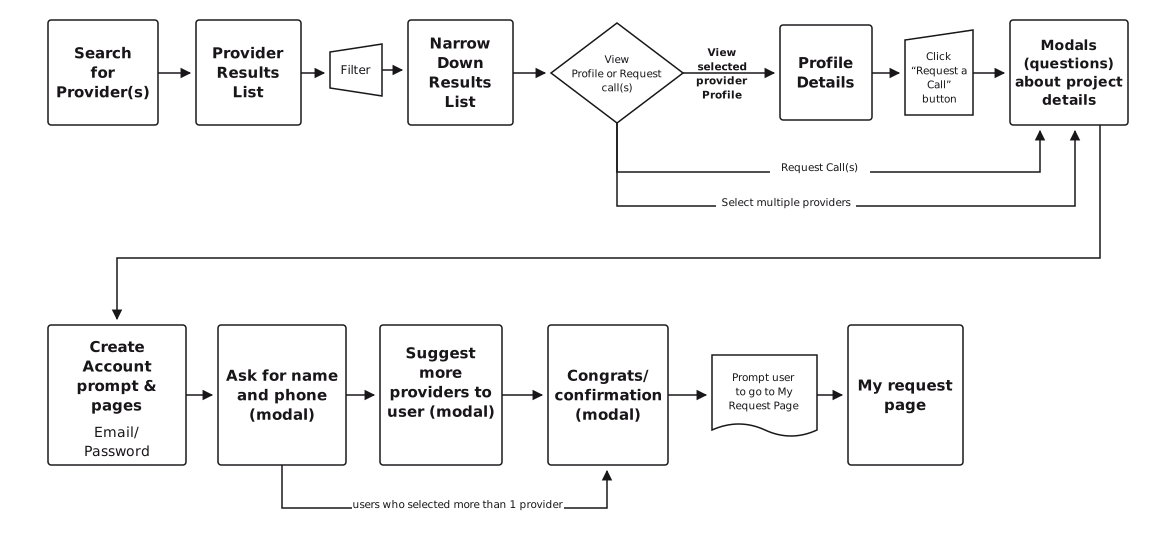
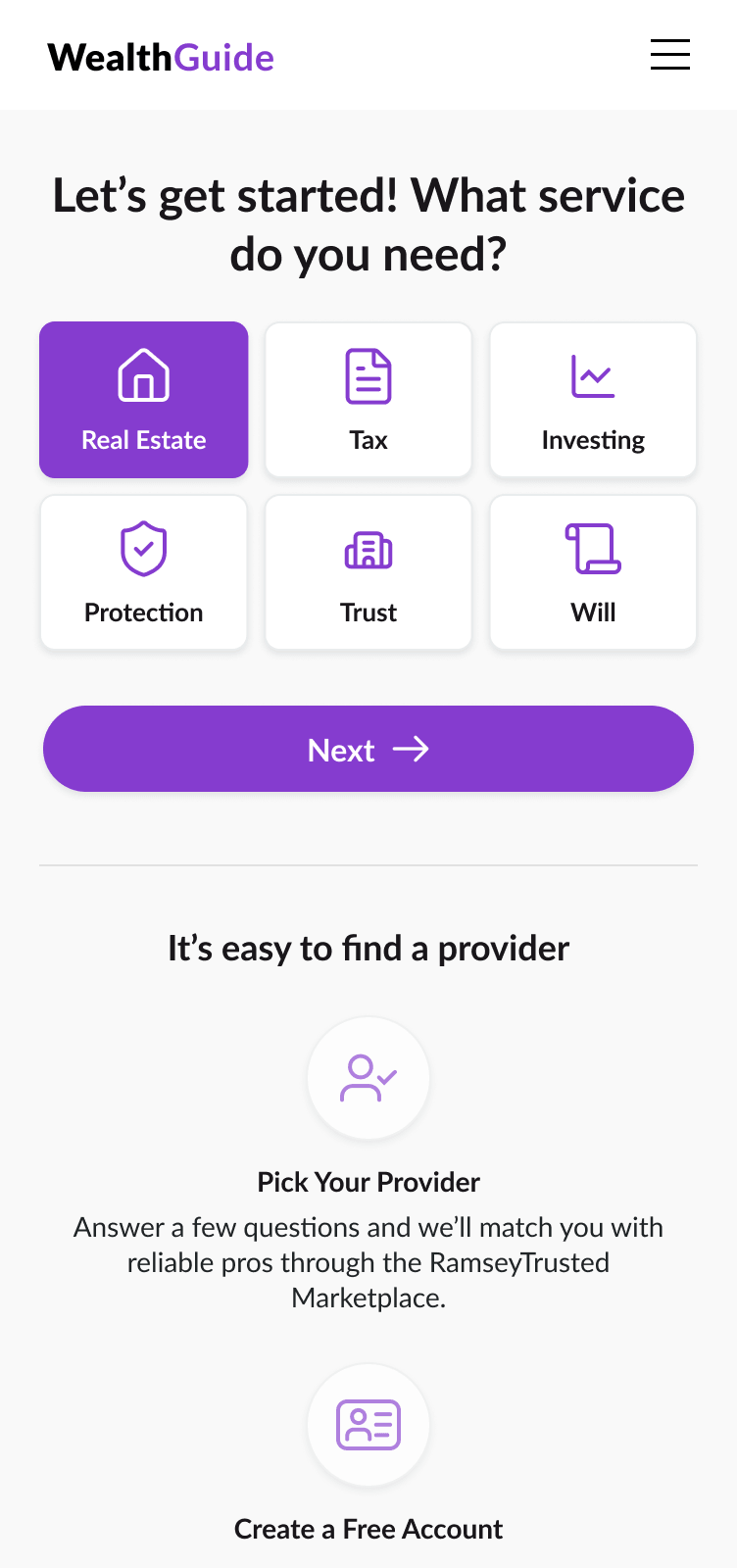
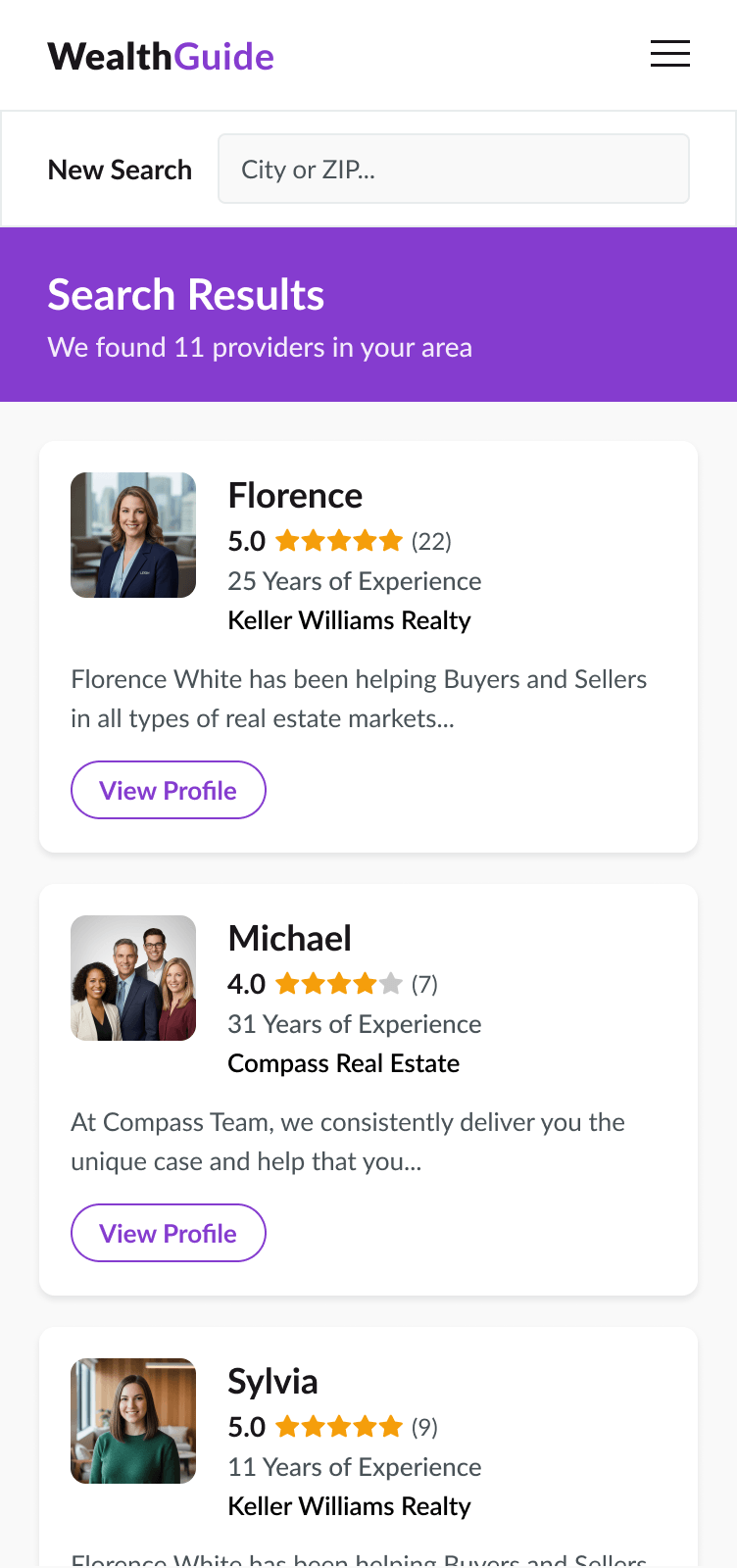
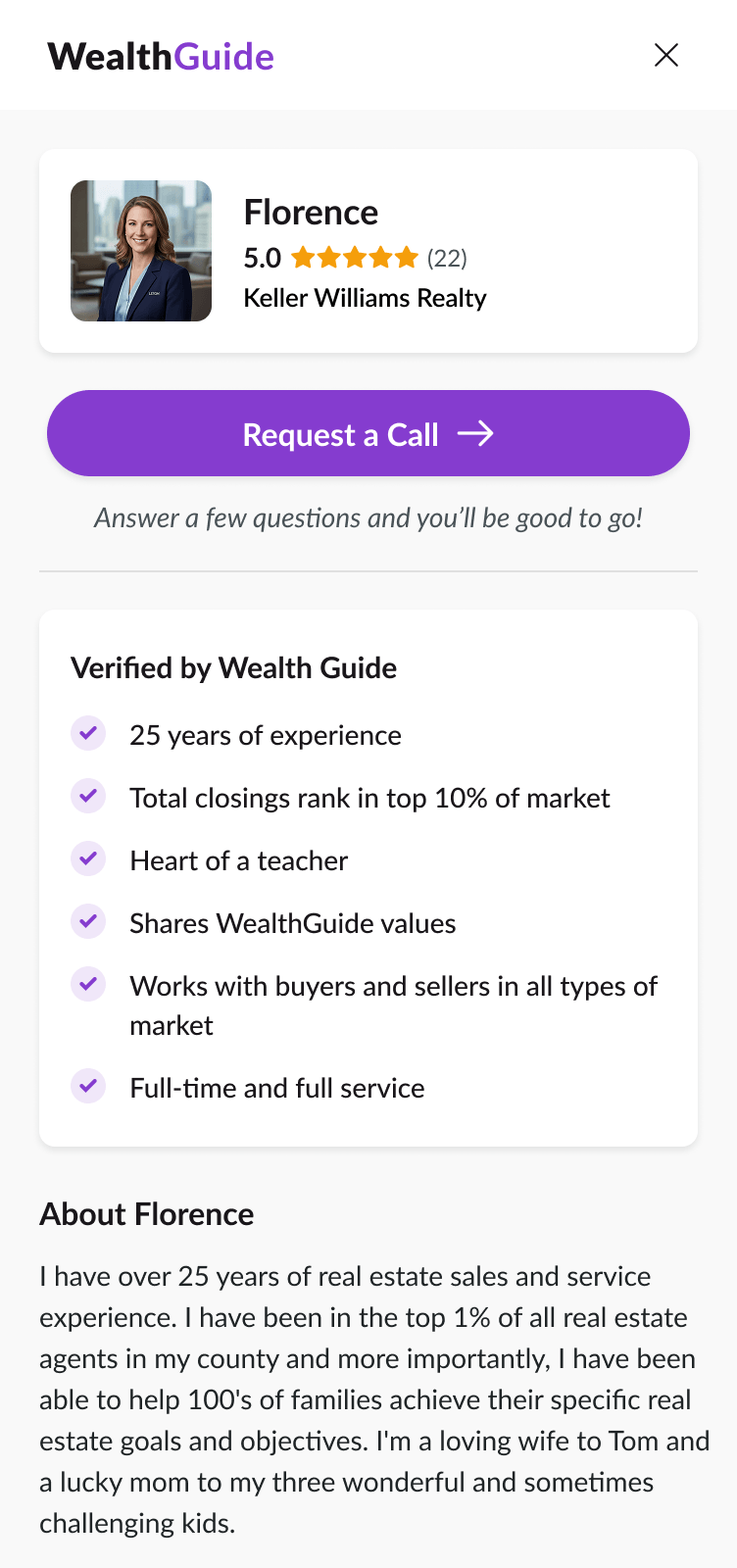
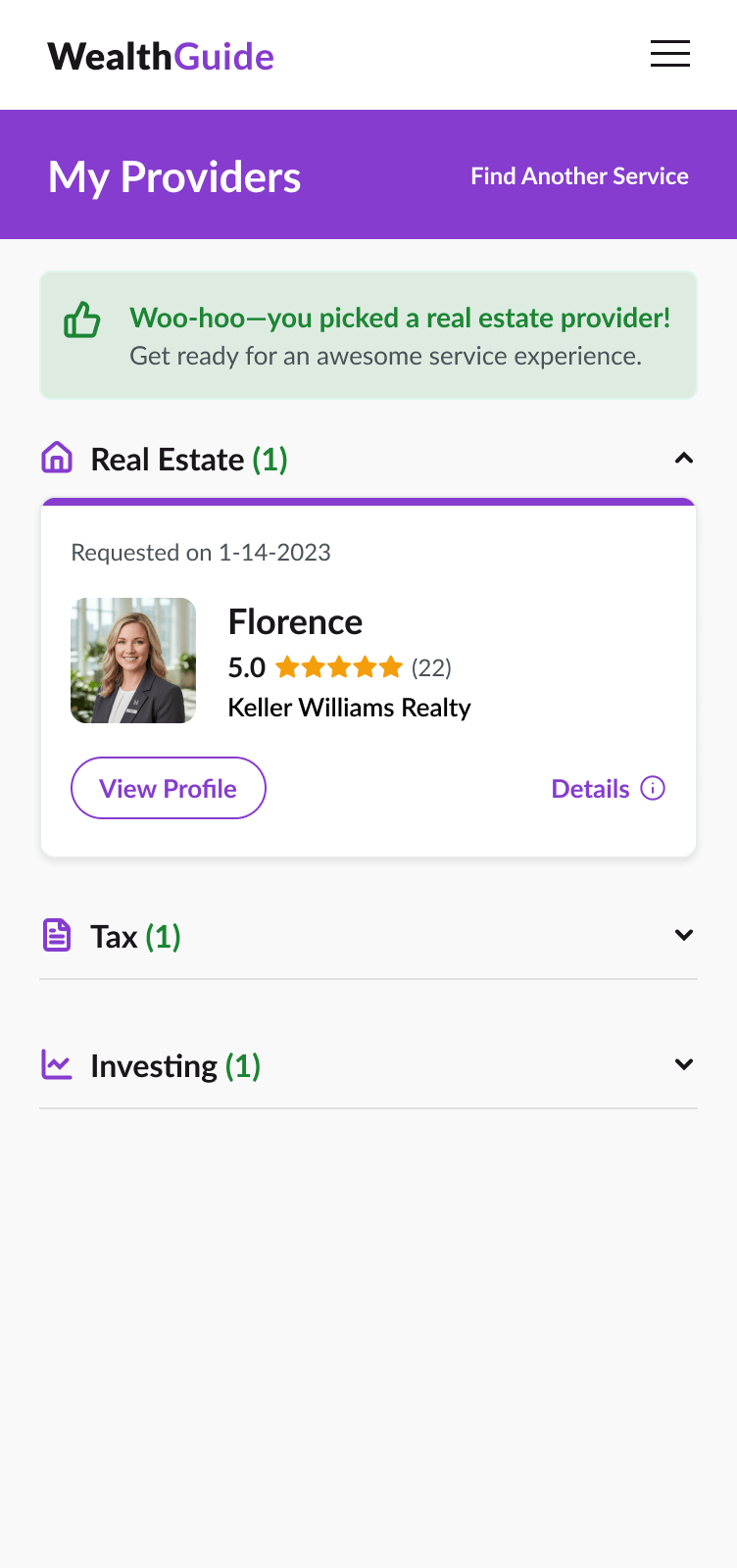
We created an interactive prototype and observed how people moved from provider discovery to selection. The prototype helped validate key assumptions about trust, provider evaluation, and account creation.
Outcome
The project showed that customers were interested in the marketplace and could complete the full journey.
Although the marketplace was not continued, part of the work was later used in the My Providers section—a place for customers and providers to connect.
Insight
Confidence had to come before action. Trust depended on several signals working together—ratings, reviews, experience, specialties, and clear next steps.
Cross-team dependencies delayed provider reviews, showing how much the customer experience relied on the systems and operations behind it.
The concept showed customer value, but moving it forward also required stronger business readiness and stakeholder alignment.
Start a Conversation
Tell me what you’re working on, what feels unclear, and where you hope to go. We can begin by making sense of it together.